Insulation 101: The Key to Winter Comfort
How much time do you spend relaxing in your attic?
Probably very little. If you have spent any time in your attic, you likely made a quick exit; attics are uncomfortable, usually way too hot in the summer and way too cold in the winter. They certainly are not the best place to sit down and kick up your heels for a while.
These extreme temperatures don’t just prevent your attic from being an ideal hangout spot; they also affect the energy efficiency of your home.
The Importance of Attic Insulation
When your attic builds up extreme temperatures, they don’t stay isolated to the attic. In winter months, the cold air sitting in your attic seeps through the attic floor and into the rest of your home. This means your heater has to work extra hard to warm not only your house but also the cold air leaking in from your attic in order to maintain a comfortable temperature for your home. This is reflected by higher power bills, all because the cold air in your attic wouldn’t stay put.
Fortunately, this issue has an easy remedy: upgraded attic insulation. Old, low quality, or poorly installed insulation allows the cold winter air in your attic to slip into your home. Installing new, efficient insulation mitigates this temperature transfer, blocking your attic’s air from seeping into the rest of your house.
Earth Shield and Earth Barrier
How Insulation Works With Solar
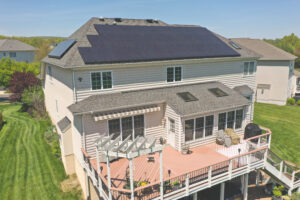
We provide upgraded insulation whenever we install a solar energy system. Since efficient insulation decreases your home’s energy waste, it also lowers your home’s total energy consumption. This means you need a smaller, cheaper solar energy system to provide the amount of power your home needs. Ideally, all the energy your solar system produces is being used efficiently in your home instead of being wasted due to efficiency issues.
If you have noticed temperature regulation issues in your home or if your insulation is old, it may be time to upgrade to more efficient insulation materials. Earth Shield and Earth Barrier can help prevent temperature transference from your attic and crawl spaces. This results in more comfortable temperatures in your home and less energy waste for your hardworking home appliances. This reduced energy usage will reflect in lower power bills each month–what’s not to like?