Solar Installation Across Virginia
Who we are
Earth Right Mid-Atlantic is at 52 Beechwood Drive in Lynchburg, and we install solar across Virginia. We hold a Class A Virginia contractor licence carrying the AES, CBC, RBC and ELE designations, which covers alternative energy systems, commercial building, residential building and electrical work.
That combination matters more than it sounds. A solar installation is an electrical job attached to a structural job, and plenty of companies in this state sell the system and then subcontract both. We hold the licences for all of it.
What follows is a straight account of what solar in Virginia looks like right now. Some of it is unusually good news. Some of it is not. You should have the whole picture before anyone sets foot on your roof.
The federal tax credit has ended
If you buy a system in 2026 with cash or a loan, there is no federal tax credit. Not a reduced one. None. If your system was placed in service before the end of 2025 and you have not claimed it, you can still claim it on your 2025 return.
The commercial credit under Section 48E continues, but only the owner of the system can claim it, which in a residential context means a lease or power purchase agreement provider rather than you.
Virginia net metering survived two attempts to cut it
Net metering is the most valuable solar incentive in Virginia, and it has been tested twice in the last two years. Both times it held.
Appalachian Power, Case No. PUR-2024-00047
Appalachian Power proposed cutting its compensation rate substantially and moving from annual to real-time netting. In its final order the Commission preserved full retail credit for the generation that offsets your own usage across the twelve month period. It did approve a lower avoided-cost rate for net excess generation beyond your annual usage, which is a narrower change than what was requested.
The Commission also found that, once the benefits are properly accounted for, including reductions in line losses, congestion, ancillary services, renewable credit purchase obligations, emissions, capacity obligations and transmission costs, Appalachian Power’s existing net metering programme was already cost-beneficial to the utility and its customers generally.
Dominion Energy, Case No. PUR-2025-00079
Dominion filed its own proposal, called NEM 2.0. It sought to reduce the net metering credit from the retail rate to a lower figure, shorten the netting interval from twelve months to thirty minutes, claim ownership of customer renewable energy credits, and add new fees.
The Commission issued its final order on 30 April 2026 and a clarifying order on 20 May 2026. It preserved the retail-rate credit. It kept the twelve month crediting period, and ruled that the thirty minute interval Dominion proposed may be used only for informational purposes rather than for crediting. Customers keep their renewable energy credits.
Net metering in Virginia is governed by Virginia Code section 56-594, which sets the residential cap at 25 kW.
Why right-sizing your system matters more than it used to
The practical consequence is that an oversized system is not just a larger bill. The extra production it generates is worth materially less per kilowatt hour than the production that offsets your own usage.
This is one reason we will not quote you a system larger than your consumption supports. If a salesperson proposes one noticeably bigger than your annual usage, ask them what rate the surplus gets credited at.
The Virginia incentives that still apply
Solar renewable energy credits
Virginia has an SREC market. You earn credits for what your system produces and can sell them to utilities and suppliers meeting renewable compliance obligations. The April 2026 ruling confirmed that customers keep ownership of their credits rather than the utility taking them.
Property tax exemption
Virginia allows localities to exempt solar energy equipment from local property tax, so a system that adds value to your home need not add to your annual tax bill. This is a local option and each county or independent city has to adopt it. Yours may or may not have. Check with your county assessor before you buy, not after. We can tell you what we have seen locally, but the assessor is the authority.
Sales and use tax exemption
Virginia exempts qualifying solar energy equipment from state sales and use tax. This applies at purchase, so it reduces your cost from day one without you filing anything.
Where we work in Virginia
We are based in Lynchburg and we serve homeowners across the state. Most of our work sits in two corridors: the Central Virginia area around Lynchburg and Bedford County, and west into the Roanoke Valley and the New River Valley.
Bedford County
Between Lynchburg and Roanoke, covering Forest, Moneta and Stewartsville. Larger lots around Smith Mountain Lake often make a ground mount the better option than the roof.
Botetourt County
North of Roanoke along the James River, covering Daleville, Buchanan, Fincastle and Troutville. Ridge lines matter here, so we model shading across the full year rather than assuming a south-facing roof performs as it would on flatter ground.
Franklin County
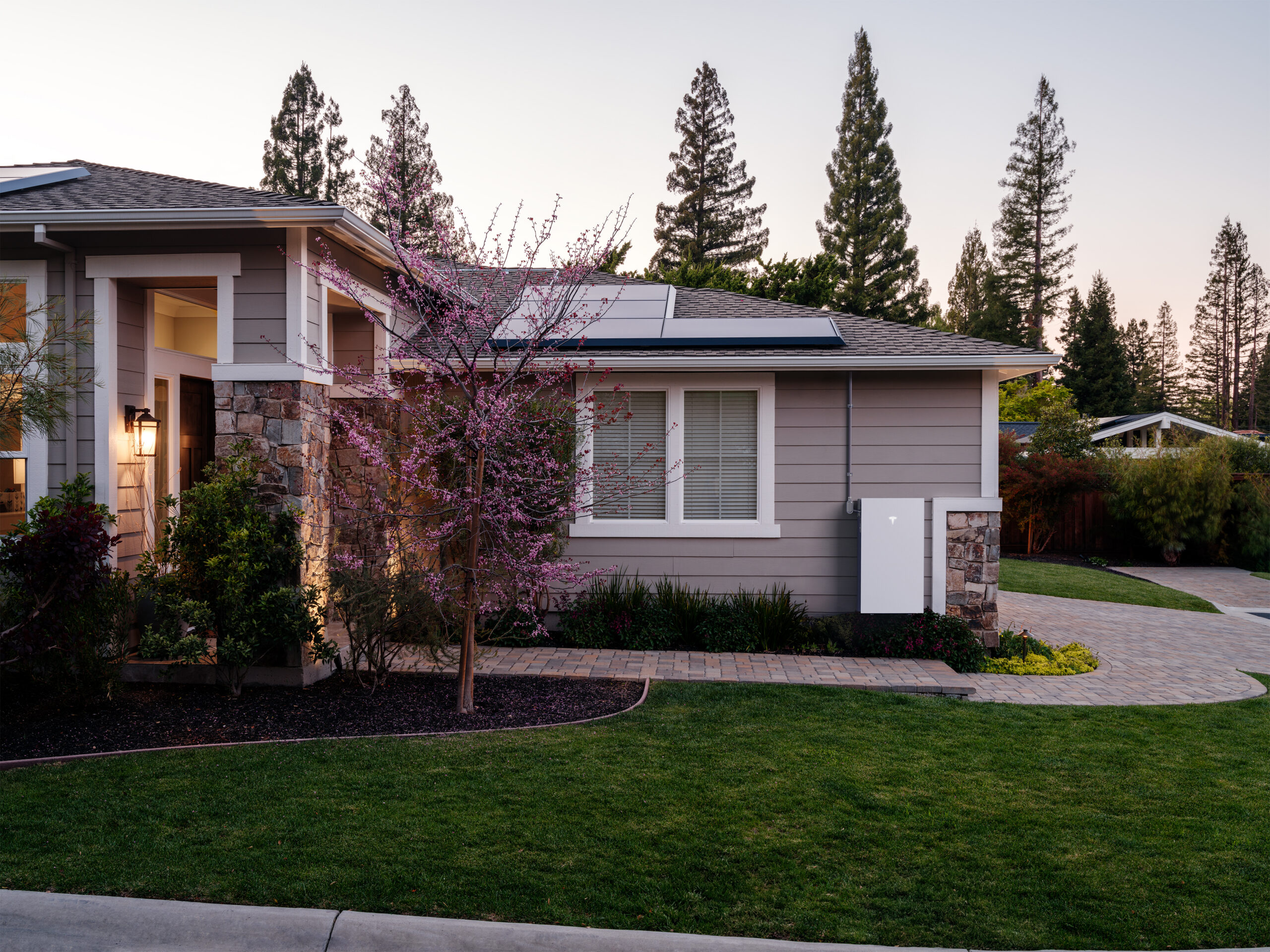
South of the Roanoke Valley down to the Smith Mountain Lake shoreline, covering Rocky Mount, Boones Mill, Westlake and Ferrum. Rural properties with outbuildings and long service runs, worth planning before the panel work starts.
Montgomery County
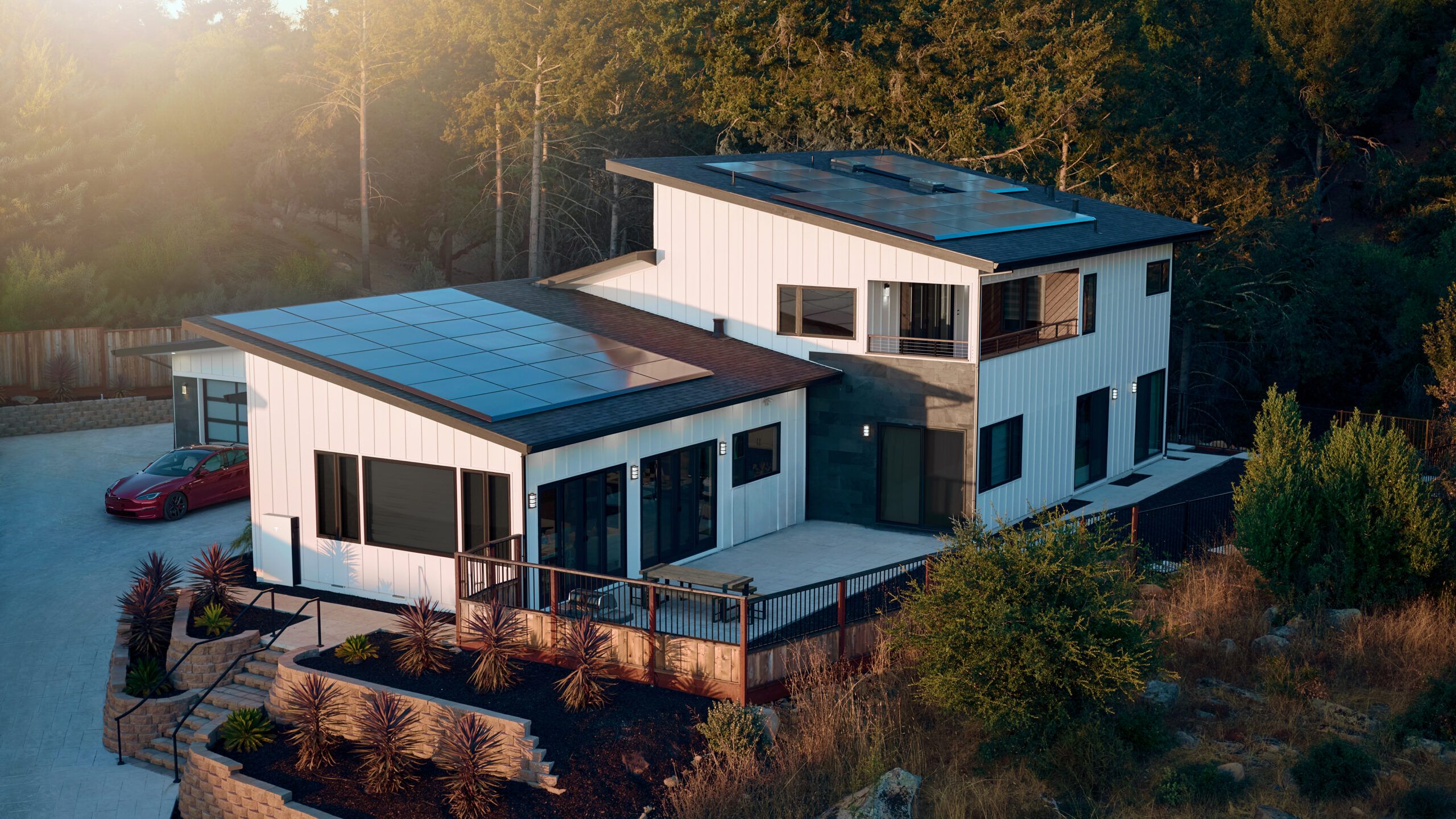
The New River Valley, covering Blacksburg, Christiansburg and Shawsville. A mix of older Blacksburg housing stock and newer Christiansburg development, so roof age and structure vary widely street to street.
Roanoke County
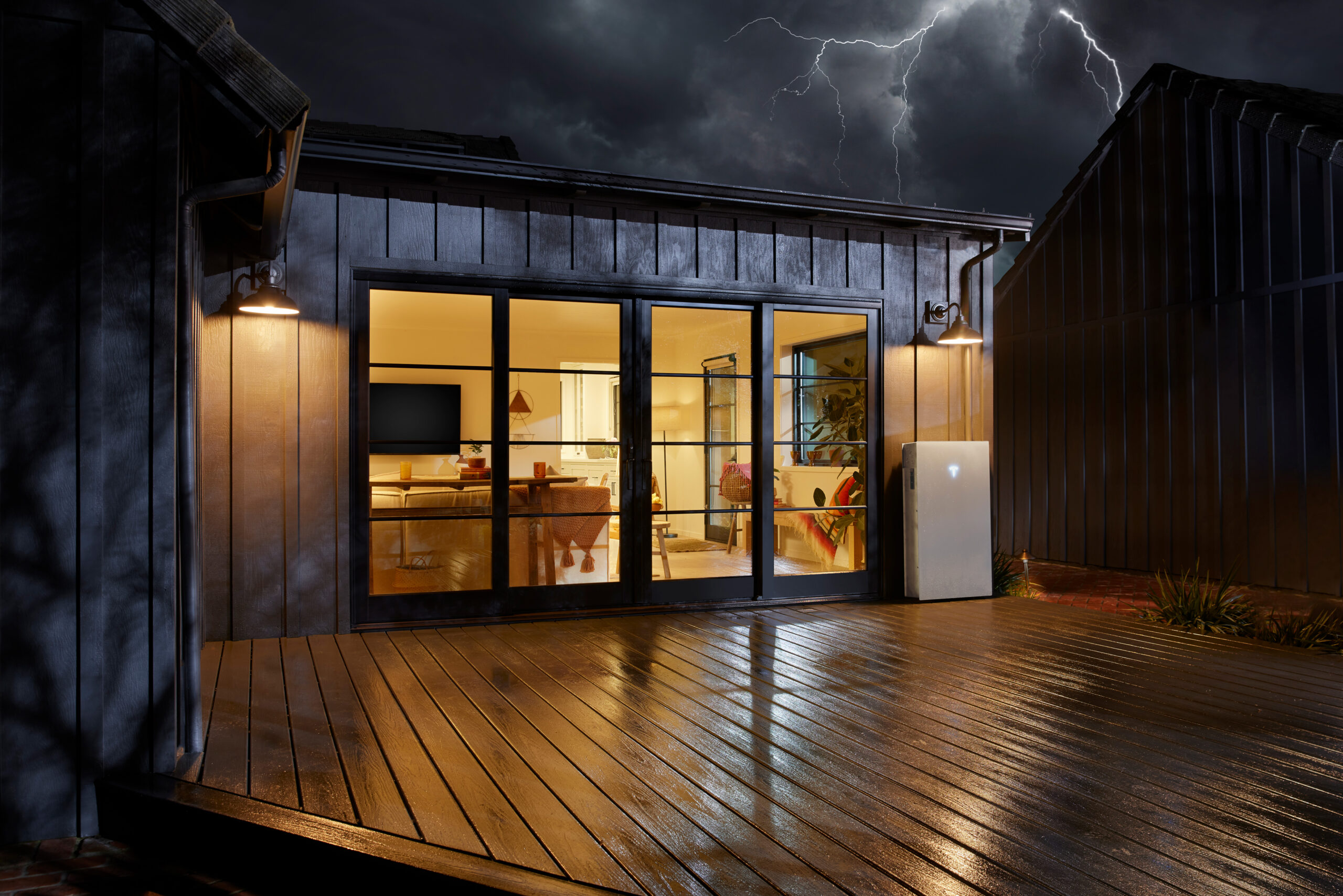
Suburban roofs around the city of Roanoke, covering Salem, Cave Spring, Vinton and Hollins. Generally straightforward installs, with neighbouring trees the usual constraint rather than the roof itself.
Which utility serves you changes the numbers
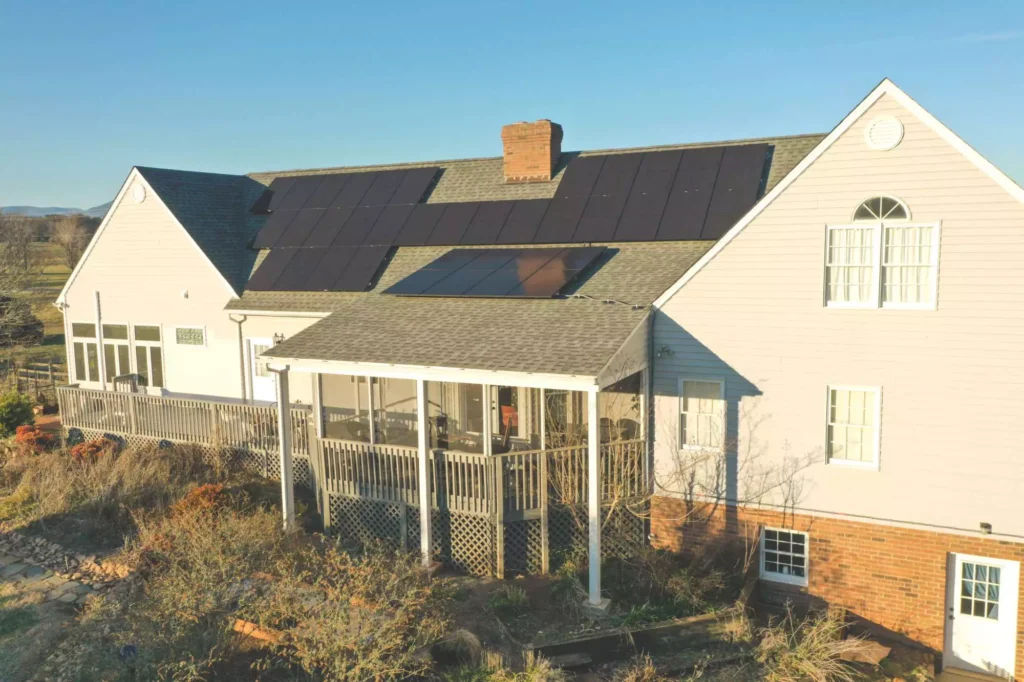
Both Appalachian Power and Dominion are covered by the rulings described above. Cooperatives and municipal utilities are a separate question, so if you are served by one, that is the first thing to check.
When we do your assessment we work from twelve months of your actual bills rather than a state average. Bring them if you have them.
Permitting and interconnection
You do not handle any of that. We pull the permits, submit the interconnection application and schedule the inspections. What we need from you is a recent utility bill and access to the panel and the roof.
Timelines vary by locality more than by anything on our side. We will give you a timeline for your specific jurisdiction at assessment rather than a generic one.
What we install
- Residential solar, roof and ground mounted.
- Commercial solar.Â
- Battery backup, including Tesla Powerwall and SolarEdge storage.Â
- Detach and reset, taking an existing array off for a roof replacement and putting it back.
- Service and repair on existing systems, including systems we did not install
- EV charger installation.
- Energy efficiency work: insulation, air sealing and attic ventilation.
Credentials you can check
Class A Virginia Contractor with AES, CBC, RBC and ELE designations
Certified SolarEdge Installer, plus Certified Home Battery Technician, Certified Energy Hub Technician and Certified Commercial Installer
Tesla Powerwall Channel Training certified
Certified PWRcell Installer
Building Performance Institute Certified Professional and Certified Building Analyst
Question Virginia homeowners ask
Not for homeowners buying their own system. Section 25D expired on 31 December 2025. Section 48E continues but only the system owner can claim it, which means a lease or PPA provider rather than you.
No. Both utilities proposed cuts and the State Corporation Commission rejected the substance of both. Dominion’s final order came on 30 April 2026 with a clarifying order on 20 May 2026, preserving the retail-rate credit and the twelve month crediting period.
Virginia Code section 56-594 sets the residential net metering cap at 25 kW. Beyond that, generation above your annual usage is credited at a lower avoided-cost rate, which is why sizing matters.
Only if your locality has not adopted the solar property tax exemption. It is a local option. Confirm with your county assessor.
No. Virginia exempts qualifying solar equipment from state sales and use tax.
Yes. The April 2026 ruling confirmed customers keep ownership of their renewable energy credits.
Replace it first. Our sister company Earth Right Roofing handles roofing and we coordinate the two, so panels are not going onto a roof with five years left.
Yes. Service and repair is a standing part of what we do.
Book a no-cost energy assessment
We look at the roof, the usage and the bills, and tell you what solar would actually do for your house. If it does not make sense, we will say so.
Monday to Friday 9am to 5pm, Saturday and Sunday 10am to 4pm by appointment